
Primary Cooking Studios and ECAs at International Schools Thailand
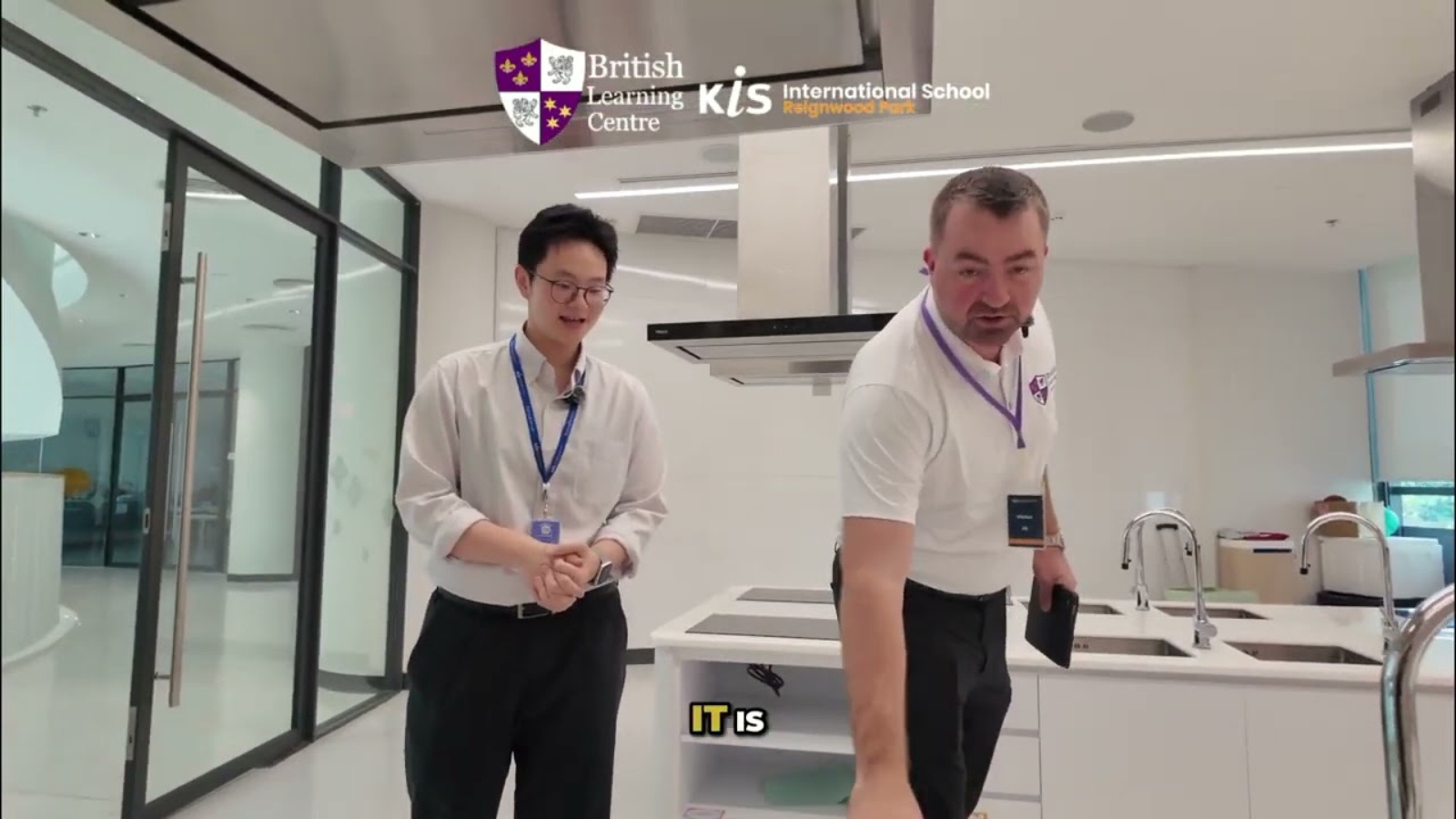
Primary Cooking Studios and ECAs at International Schools Thailand
This post accompanies our YouTube video from 2026-09-05: https://www.youtube.com/watch?v=25CmQUuzjk4
Extra-curricular activities shape how children remember school as much as timetabled lessons. A well-run primary cooking studio is a good example: pupils practise following instructions, measuring, teamwork, and food awareness in a setting that feels purposeful and fun. For parents touring international schools in Thailand, cooking and other ECAs deserve the same careful questions as classrooms.
Why a cooking studio is more than a nice extra
Cooking connects literacy (reading recipes), maths (measures and timing), science (changes when food is heated), and social skills. It can also support cultural curiosity and healthy habits when programmes are thoughtfully designed. The presence of a studio is only the start. Ask how often primary pupils actually use it, whether sessions are curriculum-linked or purely optional clubs, and how staffing and safety are managed.
What to observe on a tour
Look for age-appropriate tools, clear hygiene routines, and adult ratios that feel safe without smothering curiosity. Ask whether allergens and dietary needs are handled with written protocols. If a session is running during your visit, watch how adults prompt thinking rather than simply demonstrating every step.
Questions worth asking:
- Which year groups access the cooking studio, and how often?
- Are clubs included in fees, or charg
- How do you link cooking to literacy, maths, or topic work?
- Who leads sessions, and what training do they have?
- How are food allergies and cultural dietary requirements managed?
ECAs as a window on school culture
Cooking is one strand of a wider ECA picture. Strong schools can explain the balance between sport, arts, academic clubs, and quieter options. Ask how new pupils find clubs, whether places are limited, and how the school avoids a situation where only the most confident children take every opportunity.
Transport and timing matter in Bangkok and other Thai cities. An excellent club that ends after your usual pickup window may not be realistic. Request a sample after-school schedule for your child's year group.
Judging quality without being dazzled
New kitchens photograph well. Quality shows in planning, inclusion, and reflection. Ask how staff review clubs each term, whether pupil voice shapes offerings, and how the school supports children who are hesitant to try new activities. A short trial period for clubs can reduce pressure on families new to the school.
Watch the video
- Primary video: https://www.youtube.com/watch?v=25CmQUuzjk4
- A look inside a primary cooking studio and the kind of learning that happens beyond the usual classroom.
- Pause where a method or facility is shown and note questions for your next school visit or home practice session.
- Share the link with a co-parent so you can compare observations afterwards.
Practical checklist for parents
- List the ECA types your child already enjoys and one new area to try
- Ask which clubs are free, paid, or by audition
- Check pickup times against your family logistics
- Enquire about safety, allergens, and adult ratios in practical rooms
- Note whether ECAs feel inclusive or dominated by a small group of pupils
- Request a termly club list for the relevant year group
Soft next step with British Learning Centre
When you are ready for clearer next steps, visit britishlearningcentre.com. You can explore placement guidance, book a free trial lesson, or ask about English and Maths support that aligns with British curriculum pathways. If you are comparing schools, clear notes on ECAs help you weigh enrichment alongside academics and pastoral care. A short conversation often saves weeks of uncertain searching.
FAQ
Are cooking clubs only for older primary pupils?
It varies. Some schools introduce simple food activities earlier with tighter adult support. Ask for the age range and how sessions are adapted.
Do ECAs affect academic progress?
Well-chosen clubs often support confidence, friendships, and skills that transfer into class. Overloading a child can have the opposite effect, so balance matters.
Should we prioritise a school for its cooking studio alone?
Treat it as one enrichment signal among many. Teaching quality, pastoral care, and overall club culture usually matter more than a single room.
How can we prepare a nervous child for a new club?
Visit if allowed, meet the leader, start with a short commitment, and celebrate effort rather than performance.ed separately?
The school shown in this video
This video was filmed inside the primary cooking studio at KIS Reignwood Park, with River. The footage shows the facilities and atmosphere at this specific school, while the questions and parent guidance above are useful when comparing cooking studios and ECAs across international schools in Thailand.
Comments
Loading comments…