
Life Skills and Independence in Boarding School Thailand
Life Skills and Independence in Boarding School Thailand
This post accompanies our YouTube video from 2026-09-06: https://www.youtube.com/watch?v=IFqW1h7EiLE
Boarding is often discussed in terms of facilities and fees. Equally important is what daily life teaches: organisation, resilience, friendship skills, and the quiet confidence that comes from managing more of your own routine. For many families in Thailand considering an international boarding pathway, the real question is not only whether the house looks comfortable, but whether the programme builds independence in a safe, age-appropriate way.
This article focuses on life skills and independence in boarding, rather than a general admissions overview.
What independence looks like in practice
Independence in a boarding house is rarely dramatic. It shows up in small habits: packing the right books, waking to an alarm, resolving a minor friendship friction before it becomes a crisis, and asking a house parent for help without panic. Strong programmes design evenings and weekends so pupils practise these skills with support nearby.
Ask how the school sequences responsibility by age. Younger boarders may need structured checklists and closer supervision. Older pupils should be trusted with more choice, clearer accountability, and coaching when plans go wrong. The balance matters. Too little structure leaves children adrift. Too much control prevents growth.
Pastoral care as the safety net
Life skills flourish when pastoral care is steady. Enquire who knows your child day to day, how homesickness is handled in the first weeks, and how academic pressure is balanced with rest. A good house team can describe typical evening routines, quiet study expectations, and what happens if a pupil is struggling socially or emotionally.
Listen for concrete examples. Vague assurances about a family atmosphere are less useful than a clear account of duty staff, reporting lines, and how parents are contacted when concerns arise.
Daily routines that teach organisation
Request a sample weekday and weekend timetable for boarders. Notice where pupils manage laundry, personal organisation, homework planning, and downtime. Schools that treat these as teachable moments usually explain how staff coach rather than simply police.
Useful prompts include:
- How do you help new boarders build evening routines in the first month?
- What independence goals do you set for each age group?
- How are mobile phones and devices managed in houses?
- Who supports a pupil who finds peer relationships difficult after lights out?
- How do day and boarding pupils mix so boarders are not socially separate?
Weekends, hobbies and self-management
Independence also grows through choice. Ask what optional activities run on weekends, how pupils sign up, and whether quieter personalities are drawn in without being forced into constant noise. Sport, music, service, and simple rest all have a place. A boarding life that is only packed events can exhaust children as surely as one that leaves them with nothing to do.
Preparing your child before they start
Families can practise useful habits at home: packing a school bag the night before, managing a simple weekly chore, and talking through problem-solving scripts for common social situations. Visit when you can, meet house staff, and let your child ask their own questions. Ownership begins before the first night.
Watch the video
- Primary video: https://www.youtube.com/watch?v=IFqW1h7EiLE
- Filmed with a focus on boarding life, care, and the skills pupils practise beyond lessons.
- Pause where a method or facility is shown and note questions for your next school visit or home practice session.
- Share the link with a co-parent so you can compare observations afterwards.
Practical checklist for parents
- Clarify whether you want full, weekly, or flexible boarding before comparing houses
- Ask how independence is taught, not only how rules are enforced
- Meet house parents and note how they speak about individual children
- Review evening study, device, and bedtime expectations by age
- Discuss homesickness plans and parent communication channels
- Agree family contact routines that support settling without constant rescue
Soft next step with British Learning Centre
When you are ready for clearer next steps, visit britishlearningcentre.com. You can explore placement guidance, book a free trial lesson, or ask about English and Maths support that aligns with British curriculum pathways. If boarding is part of a wider school search, placement guidance can help you compare pastoral fit alongside academics. A short conversation often saves weeks of uncertain searching.
FAQ
Is boarding only for families who live far from campus?
No. Some families choose weekly or flexible boarding for routine, enrichment, or a gradual step toward independence even when home is relatively near.
Will boarding make my child more independent automatically?
Not by itself. Independence grows when routines, coaching, and age-appropriate responsibility are intentional. Ask how the school teaches those skills.
What should we ask about homesickness?
Ask who supports new boarders, how the first weeks are structured, and when parents are contacted. Practical answers matter more than slogans.
How is this different from a general boarding guide?
This focus is on life skills, routines, and growing maturity day to day, not the full admissions and logistics overview.
The school shown in this video
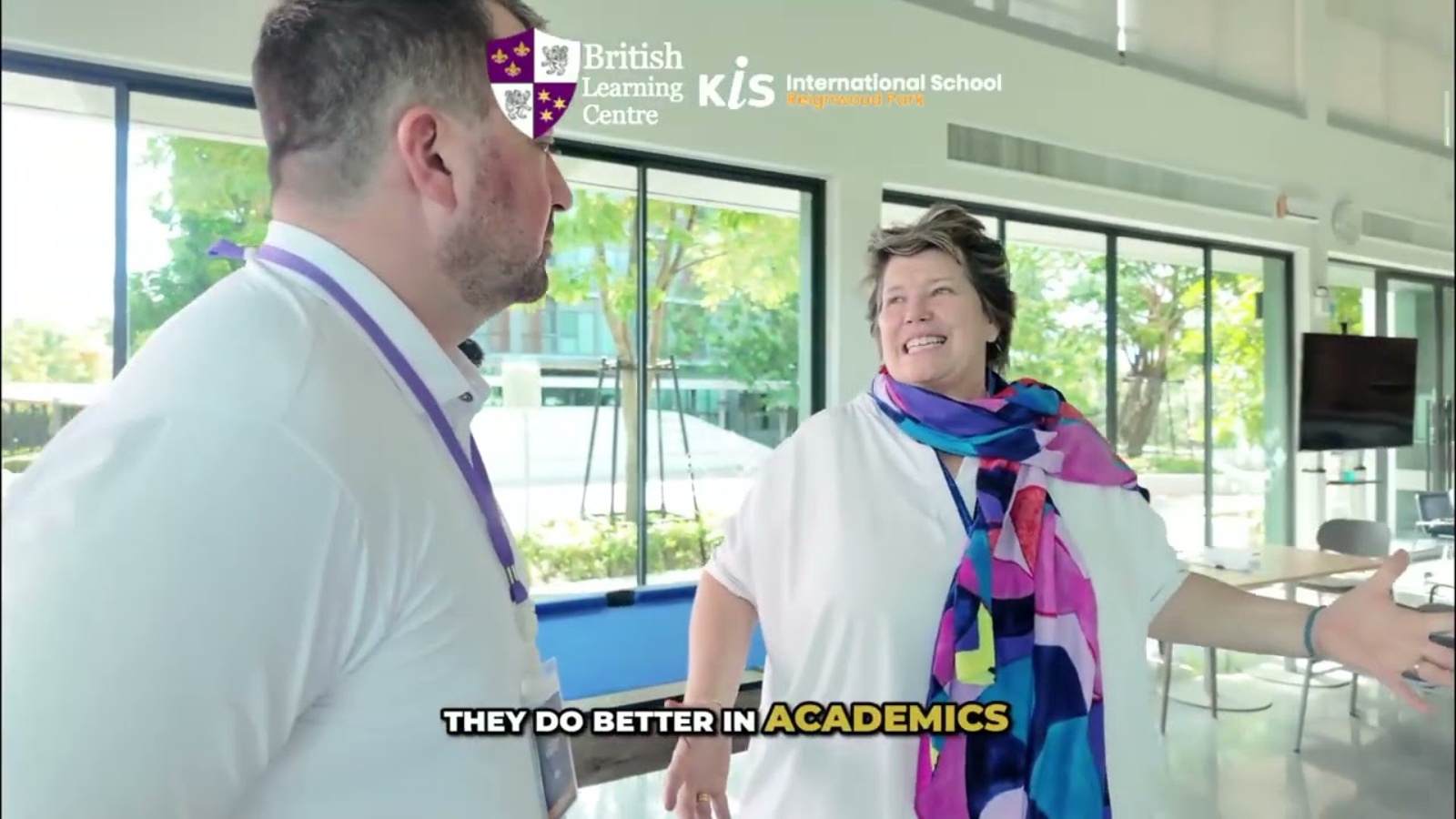
This video features boarding life at KIS Reignwood Park. The footage gives a specific view of how KIS supports life skills, independence and pastoral routines, while the questions above remain useful when comparing boarding schools across Thailand.
Comments
Loading comments…