
Kids Mindfulness Workshops for Families in Bangkok
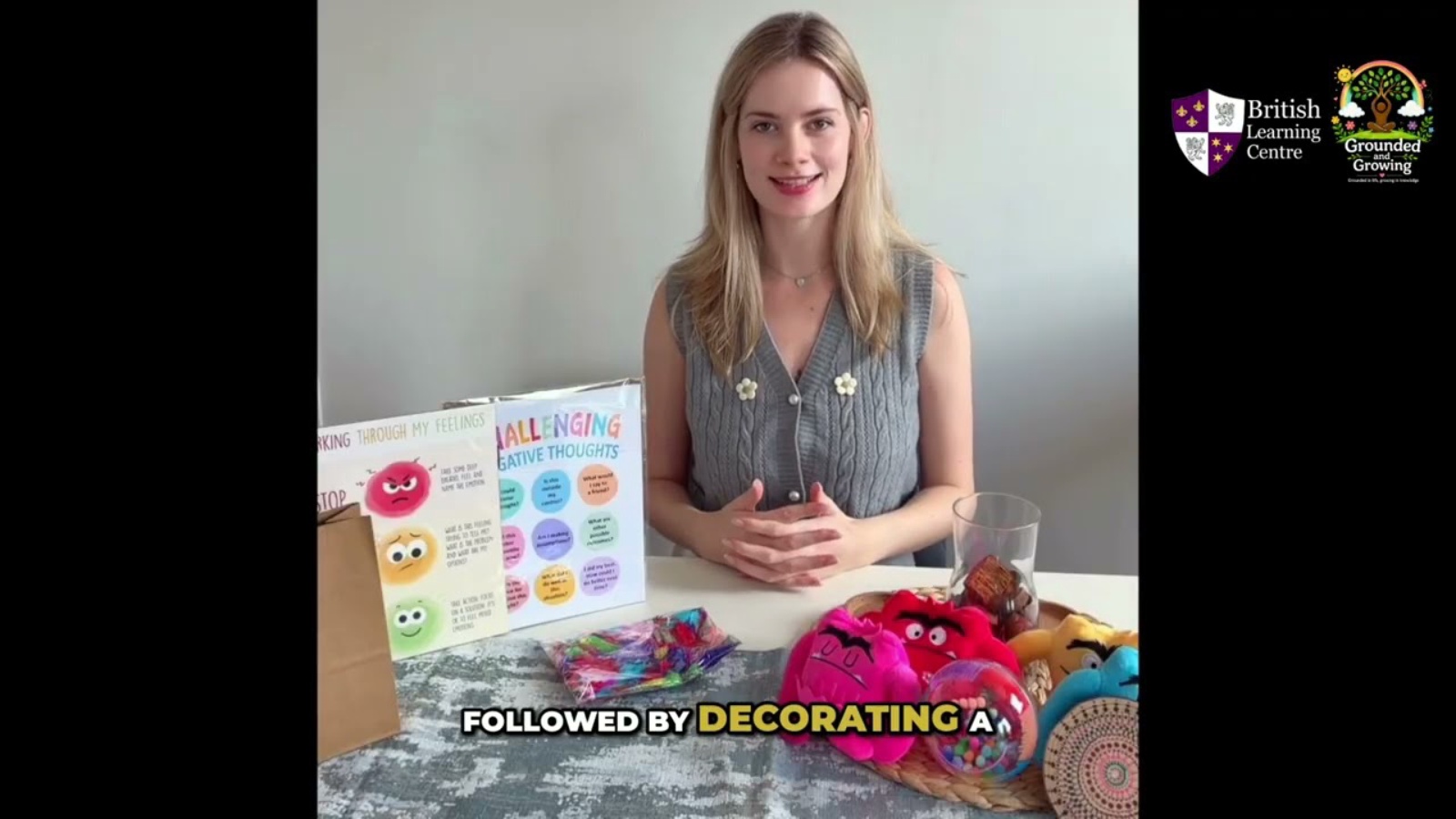
Kids Mindfulness Workshops for Families in Bangkok
This post accompanies our YouTube video from 2026-09-02: https://www.youtube.com/watch?v=0YqCX2zK1js
Many children in busy cities carry more mental load than adults notice: packed schedules, school transitions, screens, and the ordinary frictions of growing up. Mindfulness for kids is not about emptying the mind or sitting still for long stretches. At its best, it is a practical set of tools for noticing feelings, calming the body, and returning attention gently when distraction takes over.
Families in Bangkok often meet these ideas through workshops, school programmes, or short parent-child sessions. This post explains what to look for and how to use simple practices at home without turning calm into another performance pressure.
What age-appropriate mindfulness looks like
For primary-aged children, sessions should feel playful and brief. Breath games, body scans told as stories, noticing sounds, and naming emotions with simple language work better than abstract lectures. A skilled facilitator adapts pace for restless bodies and never shames a child who finds stillness hard.
Ask how the workshop handles mixed ages, what parents are expected to do during the session, and whether techniques are meant for daily home use afterwards. Tools that only work in a perfect quiet room rarely survive real family life.
Benefits parents commonly notice
Children who practise short regulation skills may find it easier to reset after frustration, fall asleep with less battle, or return to homework after a break. Results are usually modest and cumulative, not miraculous overnight changes. Mindfulness complements, rather than replaces, sleep, nutrition, movement, friendship support, and professional help when anxiety o
Choosing a workshop in Bangkok
Look for facilitators who understand child development, use clear safeguarding practice, and can explain methods in plain language. Prefer groups that invite questions and give parents a short take-home routine. Be cautious of programmes that overpromise academic gains or imply that calm children never struggle.
Practical checks:
- Group size and adult ratios
- Session length for your child's age
- Whether parents observe, join, or wait outside
- Language of instruction and any follow-up materials
- How the leader responds when a child becomes upset or giggly
Bringing ideas home without pressure
Pick one tiny practice: three slow breaths before dinner, a one-minute listening game, or naming one feeling after school. Keep it optional and light. If your child resists, do not force a ritual. Model calm yourself when you can. Consistency beats intensity.
Watch the video
- Primary video: https://www.youtube.com/watch?v=0YqCX2zK1js
- A kids mindfulness workshop with Grounded Kids at British Learning Centre Bangkok.
- Pause where a method or facility is shown and note questions for your next school visit or home practice session.
- Share the link with a co-parent so you can compare observations afterwards.
Practical checklist for parents
- Choose a short, playful practice rather than a long silent sit
- Agree one daily cue (after school, before bed, or before homework)
- Ask workshop leaders for home-friendly adaptations
- Watch for overscheduling that undermines any calm routine
- Seek professional advice if anxiety or sleep problems persist
- Keep language kind: noticing and resetting, not being perfectly calm
Soft next step with British Learning Centre
When you are ready for clearer next steps, visit britishlearningcentre.com. You can explore placement guidance, book a free trial lesson, or ask about English and Maths support that aligns with British curriculum pathways. British Learning Centre hosts family-friendly learning experiences in Bangkok and online pathways for English and Maths. Explore options at the website when you are ready. A short conversation often saves weeks of uncertain searching.
FAQ
Is mindfulness religious?
Most school and workshop versions used with children are secular attention and regulation practices. Ask the facilitator if you want clarity on approach.
Will this replace pastoral care at school?
No. Mindfulness can be one helpful tool. Pastoral systems, friendships, and teaching quality remain central.
What age can children start?
Simple breath and noticing games can suit early primary ages when kept short. Ask the provider about their recommended age range.
What if my child cannot sit still?
That is common. Good sessions use movement, games, and brief moments of focus rather than demanding silence.r behavioural concerns are significant.
Filming context
This workshop was filmed at British Learning Centre Bangkok with Grounded Kids and Ms Kate. It is a family mindfulness workshop, not a partner-school tour. Use the video for practical ideas and confirm any current workshop details directly with the organisers.
Comments
Loading comments…