
International School Entrance Exam Preparation in Thailand
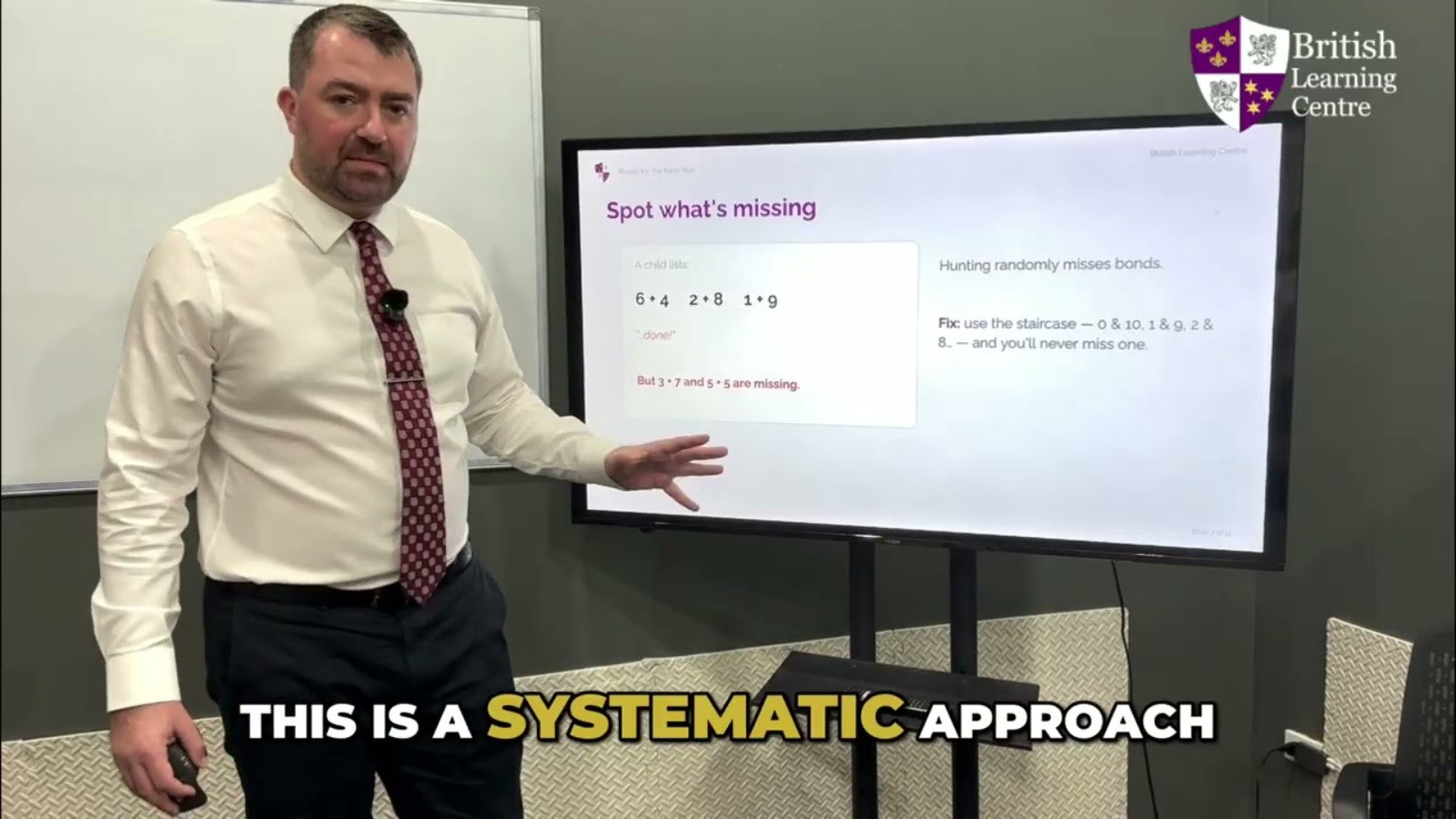
This post accompanies our YouTube video from 2026-08-09: https://www.youtube.com/watch?v=3PKnKKwr-Jw Related videos are linked below.
International School Entrance Exam Preparation in Thailand
Entrance assessments for international schools in Thailand can feel opaque if you have never been through the process. Schools want to know whether your child can access the curriculum, communicate in English, and settle into classroom routines. Preparation works best when it is calm, targeted, and based on a clear picture of current level rather than weeks of panic worksheets.
This guide outlines what exams often involve, how to prepare without burning out, and where assessment and free trial pathways can help.
What entrance exams usually look for
Requirements vary by school and year group, yet common elements include English reading comprehension, writing, spoken interaction, and Maths. Younger children may complete age-appropriate tasks and an informal interview. Older applicants may face more formal papers and group activities.
Schools are rarely hunting for perfection. They look for potential, teachability, and a level close enough to the year group that support remains realistic. That is why honest diagnostic information matters more than drilling advanced content your child does not yet understand.
Some schools also observe how children collaborate, follow instructions, and recover from a tricky question. Those softer behaviours can influence decisions as much as raw scores, especially in competitive year groups.
Start with a clear baseline
Before buying practice papers, establish strengths and gaps. A free online English and Maths assessment can show whether reading fluency, writing structure, number sense, or problem-solving needs the most attention. Parents sometimes discover that confidence, not knowledge, is the main barrier.
British Learning Centre provides placement-focused guidance and free assessment options so families can plan preparation around evidence. From there, a free trial lesson helps you see how your child responds to teaching style before you commit to a longer programme.
If your child has recently changed curriculum or language of instruction, say so during assessment conversations. Context helps tutors pitch work fairly and avoids mistaking transition fatigue for a long-term gap.
A sensible preparation timeline
If you have three months, spend the first period repairing foundational gaps, the middle period practising exam-style tasks, and the final weeks on timing, interview confidence, and rest. If you have only a few weeks, prioritise the highest-impact areas: reading carefully, showing Maths working, and speaking clearly about interests and learning habits.
Avoid marathon weekend sessions. Short, regular practice protects motivation and memory. Keep one lighter day each week so children do not associate every evening with pressure.
English and Maths focus areas
For English, practise reading passages and answering in full sentences, building vocabulary in context, and planning short pieces of writing before drafting. Spoken practice should feel conversational. Ask your child to explain a favourite book, a science topic, or how they solved a Maths problem.
For Maths, secure place value, calculation methods, and worded problems in English. Many able mathematicians underperform when language slows them down. Teach them to underline key information and estimate before calculating. Showing working clearly often gains credit even when a final answer slips.
Watch: useful preparation context
Optional videos that support Maths and readiness conversations:
Use clips selectively. Live teaching and feedback usually achieve more than passive watching alone.
Practical checklist
- Confirm each school's assessment format and dates in writing
- Complete a diagnostic English and Maths check early
- Build a weekly plan with short sessions and one lighter day
- Practise under gentle timed conditions near the end
- Prepare simple interview answers about school, hobbies, and teamwork
- Sleep, nutrition, and arrival logistics deserve a plan too
- Book placement advice or a free trial if you need structured support
Soft CTA to placement and free trial
When you are ready for guided support, visit britishlearningcentre.com/placement for placement-focused pathways, and explore the free trial route from britishlearningcentre.com. Online and centre-based options can both work, depending on your location and timeline.
Good preparation reduces surprise. It does not turn a child into someone else. Aim for readiness, clarity, and confidence on the day.
FAQ
How early should we start entrance exam preparation?
Ideally several weeks to a few months before assessments, depending on gaps. A quick diagnostic tells you whether a short boost or a longer plan is needed.
Do all international schools in Thailand use the same exam?
No. Formats differ. Always confirm requirements with each admissions team.
Is a free assessment worth doing first?
Yes. It prevents wasted effort on the wrong topics and helps match tuition to real needs.
What if my child is nervous about interviews?
Practise short, friendly conversations at home and, if useful, with a tutor who can give kind, specific feedback.
Comments
Loading comments…