
Grade 1 Inquiry Learning in International Schools Thailand
Grade 1 Inquiry Learning in International Schools Thailand
This post accompanies our YouTube video from 2026-09-04: https://www.youtube.com/watch?v=iR1_6j2zlkg
Grade 1 is a pivotal year. Children are consolidating early literacy and number sense while becoming more independent learners. Many international schools describe their approach as inquiry-based: pupils ask questions, investigate, and connect ideas across subjects. Done well, inquiry builds curiosity without neglecting the basics. Done poorly, it can look busy while foundations remain shaky.
What inquiry should look like in Grade 1
In a strong Grade 1 classroom, you should still see explicit teaching of reading, writing, and maths. Inquiry sits alongside that foundation. Children might explore a topic through books, outdoor observation, talk partners, and simple projects, while teachers guide vocabulary, phonics, and number fluency with clear structure.
Ask teachers how they balance child questions with planned objectives. A useful answer names both: space for curiosity, and non-negotiable skills that every child must secure.
Signs of quality on a classroom visit
Watch whether pupils can explain what they are learning and why. Look for talk that is purposeful rather than chaotic. Notice how teachers stretch deeper thinkers and support those who need more scaffolding. Displays should show process as well as polished final pieces.
Helpful questions include:
- How do you track reading and mat
- What does a typical morning look like for literacy and numeracy?
- How do you include pupils who are still developing English?
- How are parents informed about topic goals each term?
- What evidence of learning should we expect to see in books or portfolios?
Inquiry and the transition from early years
Some schools use Grade 1 or Year 1 language depending on the curriculum model. Clarify the naming, age range, and whether the year still feels early-years-rich or more formally primary. Children who thrived with play-based learning may need a gentle bridge into longer focus periods. Ask how the school manages that shift in the first term.
Supporting inquiry at home without turning evenings into projects
Parents can reinforce inquiry by asking open questions about the school day, visiting the library for topic books, and keeping home practice short and calm. Resist recreating classroom projects every night. Sleep, reading together, and steady number games usually help more than elaborate homework displays.
Watch the video
- Primary video: https://www.youtube.com/watch?v=iR1_6j2zlkg
- A classroom view of curiosity and inquiry with a Grade 1 teacher.
- Pause where a method or facility is shown and note questions for your next school visit or home practice session.
- Share the link with a co-parent so you can compare observations afterwards.
Practical checklist for parents
- Clarify whether the school uses Grade 1, Year 1, or another label for the age group
- Ask how phonics, reading fluency, and number facts are taught explicitly
- Observe pupil talk and teacher scaffolding during a lesson if possible
- Request examples of how progress is reported across a term
- Note support for English language learners within inquiry tasks
- Agree a simple home routine: daily reading plus brief maths practice
Soft next step with British Learning Centre
When you are ready for clearer next steps, visit britishlearningcentre.com. You can explore placement guidance, book a free trial lesson, or ask about English and Maths support that aligns with British curriculum pathways. If you want a clearer picture of your child's literacy or maths level before or during Grade 1, a free assessment can help you plan support calmly. A short conversation often saves weeks of uncertain searching.
FAQ
Does inquiry mean less focus on reading and maths?
It should not. Strong programmes keep explicit teaching of foundations while using inquiry to deepen understanding and motivation.
How is Grade 1 different from kindergarten or Reception?
Expectations for independence, written work, and focus usually increase. Ask how the school softens that transition in the first weeks.
What if my child is shy about asking questions?
Teachers can model curiosity and use partner talk so quieter children still participate. Ask how the class supports different personalities.
Can tuition still help alongside inquiry learning?
Yes, when it strengthens decoding, comprehension, or number fluency without conflicting methods. Share school approaches with any tutor you use.hs progress within an inquiry framework?
The school shown in this video
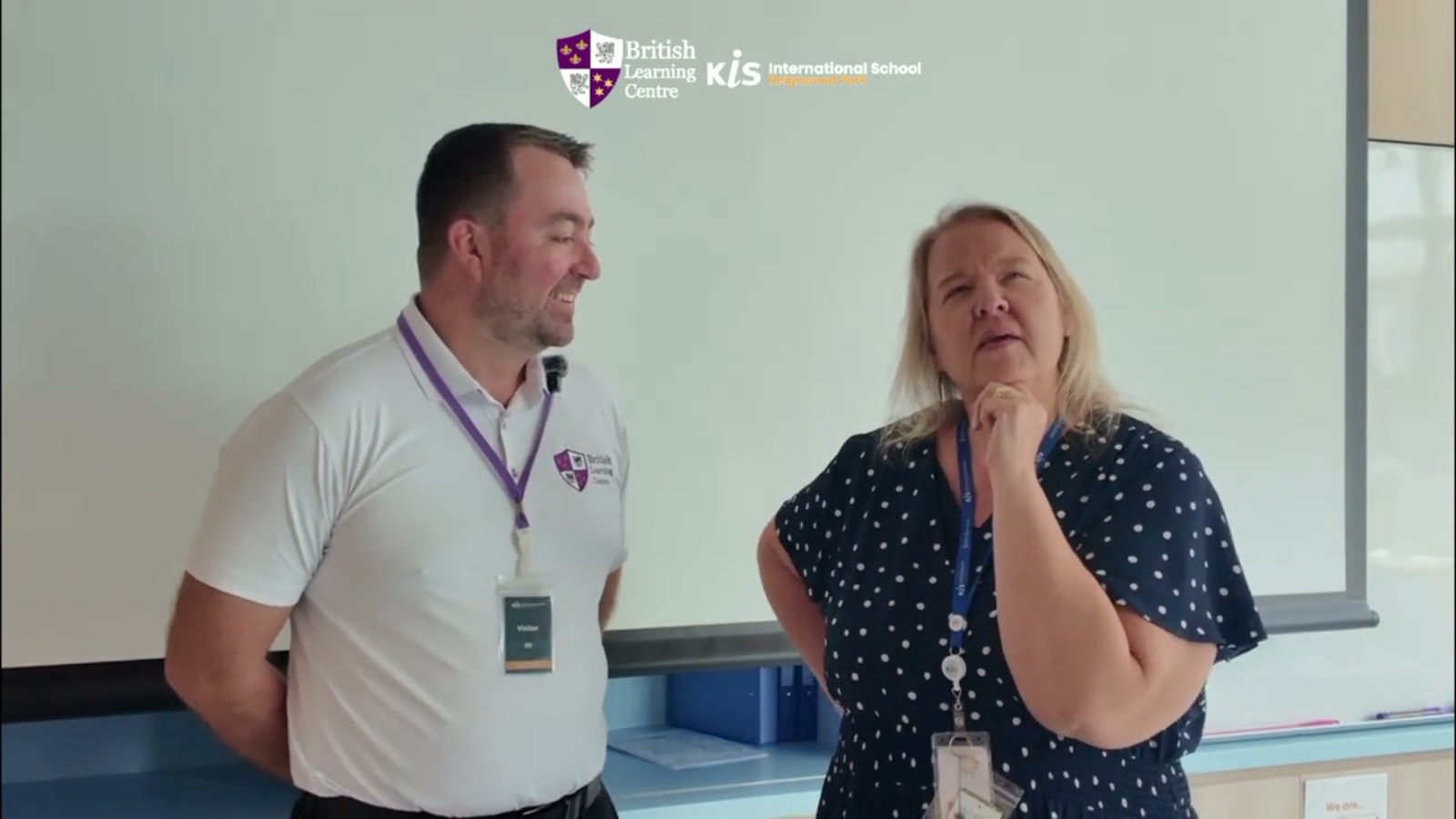
The Grade 1 inquiry footage in this post was filmed at KIS Reignwood Park with Ms Christine. It gives a specific example of learning at KIS, while the parent questions above remain useful when comparing inquiry approaches across international schools.
Comments
Loading comments…